
Narcissistic Abuse Recovery
Healing After Emotional Manipulation and Control
Healing After Emotional Manipulation and Control
If you are navigating narcissistic abuse recovery, you may feel confused, self-doubting, or emotionally attached to someone who
repeatedly hurt you. Emotional abuse does not leave visible scars — but its psychological impact can linger long after the relationship ends.
If you are navigating narcissistic abuse recovery, you may feel confused, self-doubting, or emotionally attached to someone who repeatedly hurt you. Abuse that is emotional does not leave visible scars — but its psychological impact can linger long after the relationship ends.

What Narcissistic Abuse Really Is
What Narcissistic
Abuse Really Is
Recovery begins with clarity — not blame.
Narcissistic abuse is a pattern of emotional manipulation, control, and psychological destabilization. It often includes gaslighting, intermittent reinforcement, subtle criticism, shifting responsibility, and power imbalance. Over time, your confidence erodes. You begin second-guessing your memory, instincts, and decisions.
Unlike overt conflict, abuse that is emotional operates quietly. You may have appeared functional and successful while privately feeling anxious, hypervigilant, or unsure of yourself. This is why it can feel complex. The damage is not just relational — it affects identity, nervous system regulation, and self-trust.
Healing after narcissistic abuse is not about labeling the other person. It is about recognizing the impact and beginning structured emotional abuse recovery that restores stability, clarity, and personal agency.
Recovery begins with clarity, not blame. Narcissistic abuse is a pattern of emotional manipulation, control, and psychological destabilization. It often includes gaslighting, intermittent reinforcement, subtle criticism, shifting responsibility, and power imbalance. Over time, your confidence erodes. You begin second-guessing your memory, instincts, and decisions.
Unlike overt conflict, emotional abuse operates quietly. You may have appeared functional and successful while privately feeling anxious, hypervigilant, or unsure of yourself. This is why narcissistic abuse recovery can feel complex. The damage is not just relational — it affects identity, nervous system regulation, and self-trust.
Healing after narcissistic abuse is not about labeling the other person. It is about recognizing the impact and beginning structured emotional abuse recovery that restores stability, clarity, and personal agency.
Why You Still Feel Attached — Even When You Know It Was Harmful

Recovery from any kind of relational trauma is confusing because logic alone doesn’t break attachment and self worth is difficult to recover. You may miss the person, crave their validation, or question whether it was “really that bad.” These emotional contradictions are often connected to trauma bonding, gaslighting effects, and nervous system conditioning — not weakness.
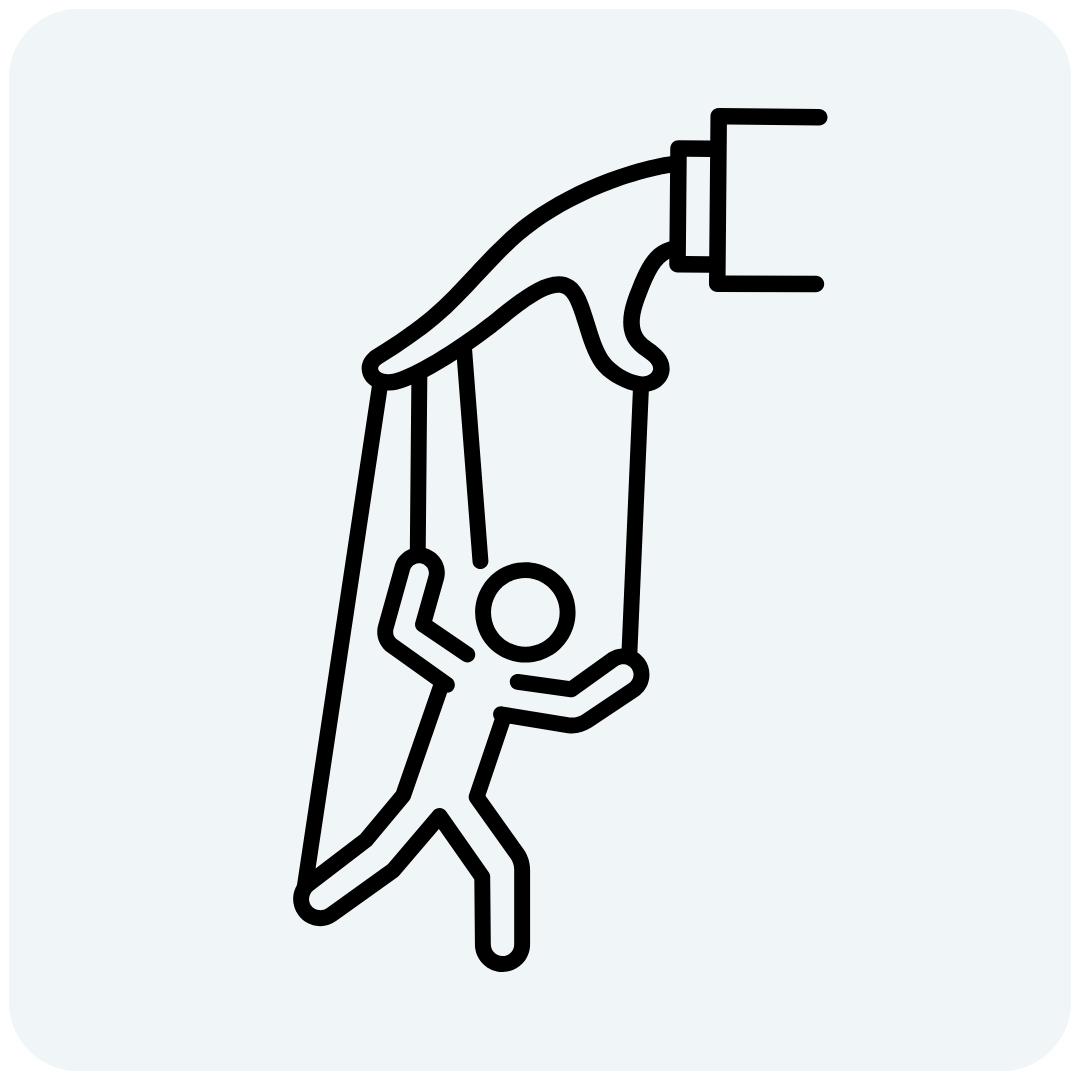
Gaslighting Patterns
Repeated distortion of facts that leads
you to doubt memory and perception.
Repeated distortion of facts that leads you to doubt memory and perception.

Intermittent Reinforcement
Cycles of affection and withdrawal that create addictive attachment.
Cycles of affection and withdrawal
that create addictive attachment.

Emotional Withholding
Withholding validation, empathy, or communication to maintain control.

Blame Shifting
Redirecting responsibility so
you feel at fault for conflict.
Redirecting responsibility so you feel at fault for conflict.

Subtle Criticism
Undermining comments disguised as concern or humor.
Undermining comments
disguised as concern or humor.

Love Bombing
Intense early attention followed by emotional withdrawal.
Intense early attention followed
by emotional withdrawal.

Power Imbalance
Control dynamics that reduce your sense of autonomy.
Control dynamics that reduce
your sense of autonomy.

Walking on Eggshells
Chronic anxiety about triggering
conflict or withdrawal.
Chronic anxiety about triggering conflict or withdrawal.

Identity Erosion
Gradual loss of preferences, voice, and boundaries.
Gradual loss of preferences,
voice, and boundaries.

Trauma Bonding
Attachment formed through cycles of harm and reward.
Attachment formed through
cycles of harm and reward.

Psychological Control
Manipulation that affects decision-making and perception.
Manipulation that affects
decision-making and perception.

Self-Doubt Spiral
Persistent questioning of
your instincts and worth.
Persistent questioning of your instincts and worth.

Why Leaving Does Not Automatically Mean Healing
Many women believe recovery begins the moment they leave. In reality, leaving is often the starting point — not the resolution.
When you have endured long-term emotional manipulation, your nervous system adapts to unpredictability. Hypervigilance becomes normal. You may continue replaying conversations, doubting your decisions, or fearing you overreacted. Identity loss and self-doubt are common after narcissistic abuse because your internal reference points were repeatedly destabilized.
This is why healing after narcissistic relationships can feel more intense once the relationship ends. The silence creates space for grief. The absence of chaos exposes emotional exhaustion. Trauma bond recovery becomes necessary because attachment does not dissolve with distance.

True recovery involves psychological abuse healing, emotional regulation, and intentional identity rebuilding.
It requires understanding how manipulation patterns affected your discernment, boundaries, and self-trust. You are not “still stuck.” Your nervous system is recalibrating. With structured support and consistency, narcissistic abuse recovery restores clarity. You begin recognizing red flags earlier. You rebuild confidence in decision-making. You shift from reacting to leading yourself again.
It requires understanding how manipulation patterns affected your discernment, boundaries, and self-trust. You are not “still stuck.”
Your nervous system is recalibrating. With structured support and consistency, recovery restores clarity.
You begin recognizing red flags earlier. You rebuild confidence in decision-making. You shift from reacting to leading yourself again.
What Real Recovery Requires
Real recovery from narcissistic abuse and low self-esteem involves more than simply moving on. It requires calming the nervous system,
restoring a sense of identity, self-worth and safely breaking trauma bond attachment cycles.
Real narcissistic abuse recovery involves more than simply moving on. It requires calming the nervous system, restoring a sense of identity, and safely breaking trauma bond
attachment cycles.

Emotional Stabilization
Calming the nervous system and reducing hypervigilance.

Identity Restoration
Rebuilding preferences, boundaries, and personal voice.

Trauma Bond Recovery
Breaking attachment cycles
safely and gradually.
Breaking attachment cycles safely and gradually.

Consistent Support
Structured guidance that reinforces clarity and agency.
frequently Asked Questions
What is narcissistic abuse recovery?
It is the structured process of healing after a relationship defined by emotional manipulation, control, and psychological destabilization. It goes beyond ending the relationship — it addresses gaslighting effects, identity erosion, trauma bonding, and nervous system dysregulation. True recovery restores self-trust, emotional clarity, and your ability to recognize healthy relationships. Narcissistic personality disorder doesn't have to be declared for you to have trauma or mental health issues from a relationship with a narcissistic partner. You also don't need any of those "things" to need help in recovery and restoration.
How do I know if I experienced narcissistic abuse?
Abuse of this type often operates quietly, and it can erode your self-esteem. You may have appeared functional publicly while privately feeling anxious, hypervigilant, or unsure of yourself. Common signs include chronic self-doubt, walking on eggshells, questioning your own memory, and feeling responsible for conflict you didn't create. If you left the relationship feeling like you lost yourself along the way, narcissistic abuse recovery may be exactly what you need.
Narcissistic abuse often develops gradually, making it difficult to recognize while you are still in the relationship. You may have appeared functional publicly while privately feeling anxious, hypervigilant or unsure of your own perceptions. Common signs include chronic self-doubt, walking on eggshells, questioning your memory, feeling responsible for conflict you did not create and changing your behaviour to avoid upsetting the other person.
A narcissistic person may display narcissistic traits such as a grandiose sense of importance, an inflated sense of entitlement, a strong need for control or limited concern for another person’s emotional needs. However, you do not need to prove that someone has a particular mental disorder to acknowledge that a toxic relationship affected your confidence, identity or emotional safety.
Long-term narcissistic abuse can leave people struggling with emotional flashbacks, attachment wounds, anxiety, difficulty trusting their decisions or patterns commonly associated with complex PTSD. These experiences can occur in romantic relationships, friendships, workplaces or within a family system. Adult children may also carry lasting effects from growing up with a controlling, critical or emotionally unpredictable parent or family member.
A narcissistic abuse recovery coach can help you understand unhealthy relationship patterns, reconnect with your own perceptions and establish stronger personal boundaries. Coaching may also support you as you rebuild self-trust, practise self-compassion and decide what level of contact feels appropriate, including whether you need to limit contact or stop talking to a narcissistic abuser.
Coaching is not a substitute for therapy, medical care or mental health treatment. If you are experiencing severe anxiety, symptoms of complex PTSD or other significant mental health concerns, support from a licensed mental health professional may also be appropriate. If the relationship involves threats, stalking, coercion or physical violence, prioritize your immediate safety and contact a local domestic violence service.
Narcissistic abuse recovery is not about proving the other person had a specific diagnosis. It is about understanding how the relationship affected you and taking steps toward greater clarity, confidence and emotional safety.
Why do I still feel attached to someone who hurt me?
Emotional attachment after a harmful relationship is one of the most confusing parts of recovery from abuse and mental health restoration. Intermittent reinforcement — cycles of affection followed by withdrawal — conditions your nervous system to seek connection from the same source that caused harm. This is trauma bonding, not weakness. Getting help after being with someone who has a narcissistic personality disorder of any kind is paramount. This type of therapy helps you understand this response and gradually release attachment through nervous system regulation, not willpower. Talk therapy and a trauma informed approach can really help people, and as a coach I want to make sure you get the exact help you need.
Does leaving the relationship mean I'm healed?
Leaving is often the beginning of recovery — not the end. Once the relationship ends, grief, self-doubt, low self esteem and emotional confusion often intensify. The silence creates space for processing and the healing process to begin. Your nervous system continues recalibrating long after physical separation from a narcissistic person. True healing from relational trauma, especially in romantic relationships, requires structured support, identity rebuilding, and consistent nervous system care — not just distance from the relationship.
What are gaslighting effects and how do they impact recovery?
Gaslighting is a manipulation pattern where your memory, perceptions, and instincts are repeatedly questioned or distorted. Over time, gaslighting effects can include chronic self-doubt, difficulty trusting your own judgment, confusion about what really happened, and a diminished sense of reality. Addressing gaslighting effects is essential because they directly undermine the self-trust needed to move forward confidently and make grounded decisions.
One important step in healing is learning to fact check your own experiences instead of automatically accepting the other person’s version of events. This may include writing down what happened, talking to a trusted person, or noticing patterns of love bombing, denial, blame-shifting, and emotional manipulation. The first step is often recognizing that your confusion is not a personal failure. It may be the result of being repeatedly told that your feelings, memories, or concerns were wrong.
The long term effects of gaslighting can impact your sense of self, your relationships, your ability to make decisions, and your confidence in setting boundaries. In the long term, recovery often involves rebuilding self-trust, naming harmful patterns clearly, and learning how to protect your emotional wellbeing. Setting boundaries is not about being difficult or punishing the other person. It is about helping people regain safety, clarity, and control after a relationship where their reality was constantly questioned.
How long does it take?
Narcissistic abuse recovery is not linear and does not follow a fixed timeline. The depth of emotional harm, the length of the relationship, and the level of identity erosion all influence the process. For many women, recovery becomes steadier when structured support is consistent rather than reactive. Progress is measured not in time alone, but in growing emotional clarity, stronger boundaries, and renewed confidence in self-leadership.
Why do I keep doubting myself even though the relationship is over?
Persistent self-doubt is one of the most common effects of healing from a relationship like this. When your perceptions and self esteem were repeatedly challenged and your instincts were undermined, your internal reference points became destabilized. This self-doubt is a conditioned response — not a reflection of your intelligence or capability. Emotional safety and self compassion need to be re-established along with self respect and a recognition that abuse happened and that healing is possible.
Psychological abuse healing gradually restores trust in your own instincts, perceptions, and decision-making over time.
What is the connection between recovery and trauma bonding?
Trauma bonding often develops inside narcissistic relationships as a result of unpredictable cycles of harm and reward. The nervous system becomes conditioned to seek relief from the same person who causes distress. In narcissistic abuse recovery, trauma bond recovery is a critical component — because attachment does not dissolve when the relationship ends. Healing both together creates a more complete and sustainable recovery path.
A narcissistic abuse therapist will be able to help guide you through things like self blame, mood swings and low self worth issues.
Is recovery different from regular breakup healing?
Yes. While all separations involve grief, narcissistic recovery addresses deeper layers of psychological harm. Gaslighting effects, identity erosion, trauma bonding, and nervous system dysregulation require more than time and distraction. Emotional recovery is intentional and structured — focused on restoring self-trust, rebuilding identity, and strengthening discernment so you can recognize emotionally safe connections going forward.
What does real healing actually look like?
Real healing feels calm and steady — not dramatic. You begin recognizing manipulation patterns without shame. Decisions feel clearer. Hypervigilance softens. Identity gradually returns — your preferences, your voice, your boundaries. Over time, you shift from reacting to the past to leading yourself forward with confidence. The process is not about becoming someone new. It is about reclaiming who you already are.
Let’s Connect On Social:


© 2026 Healing Me After We. All rights reserved.